

When it comes to maintaining and enhancing the integrity of our homes, the roof often doesn't receive the attention it deserves until issues arise. Nonetheless, roofing is more than just a protective shield; it is a testament to craftsmanship. Hiring the right roofer can make all the difference, yet the process can feel overwhelming. With so many options available, how can homeowners make sure they are making the right choice?
Comprehending the intricacies of hiring a roofer is essential. Starting with verifying a license to discerning red flags, there are numerous factors to consider that can protect not only your investment, but your home’s structure and safety. additional hints will guide you through the essential steps and considerations, helping you maneuver through the roofing landscape with confidence and clarity. We will explore what a legitimate roofing estimate should include, how to check for proper insurance, and the importance of communication throughout your roofing project. Let us embark on this journey, shingle by shingle, to find the right craftsmanship for your home.
Verifying Roofer Credentials
Before employing a roofing contractor, it's crucial to check their credentials to ensure you're taking a sound investment. Begin by checking if the roofer has a legitimate license, as this is a indicator of credibility and adherence to local building codes. To confirm their licensure, reach out to your local licensing board or visit their online portal, where you can often find a public registry of licensed contractors. This step is vital, as working with an unauthorized roofer can lead to complications, including safety concerns and possibly costly repairs.
In addition to a license, it’s vital to confirm the roofer is properly insured. A credible contractor should carry both liability insurance and workers' compensation coverage. This protects you in the event of property loss or work-related injuries. Request to see proof of insurance and don't hesitate to contact the insurance provider to confirm that the policy is valid. Without these safeguards, you could be responsible for any accidents that occur during the project.
Lastly, seek out roofing certifications specific to manufacturers. These certifications can suggest that the roofer has undergone further training and adheres to best practices according to market standards. Ask about the qualifications they have and what kinds of roofs they are qualified to fit or repair. Understanding these qualifications can offer assurance that you're hiring a skilled professional who can deliver high-quality work tailored to your specific roofing requirements.
Comprehending Rooftop Estimates
Once you get a roof estimate, it's essential to comprehend what it includes to make sure you're making an informed judgment. A genuine roofing estimate should always encompass detailed details about the scope of work, materials involved, labor fees, and a clear timeline for project completion. Seek out a itemization of each aspect that is simple to grasp. This transparency assists you compare the quote with others and makes it easier to identify potential warning signs.
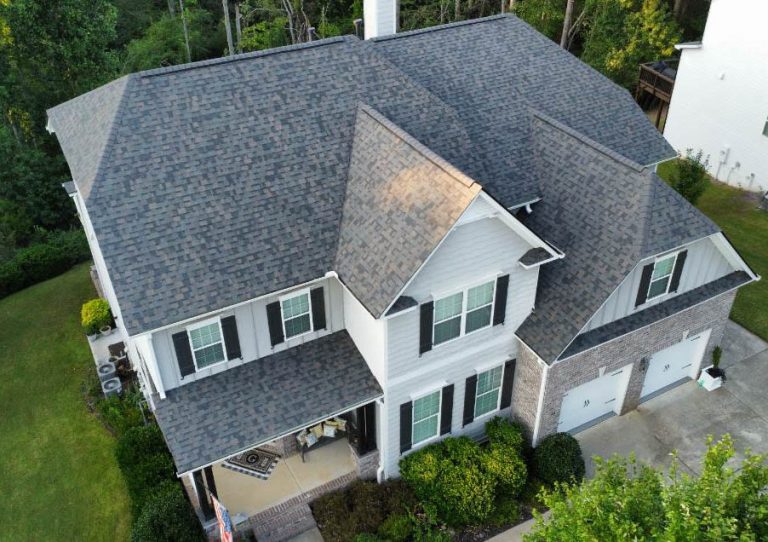
Furthermore critical factor of an estimate is the complete cost, but it should never be the only criterion. Be wary of quotes that seem dramatically diminished than others, as this could signify that corners may be cut. Always ask for explanation on any specifics you find confusing, as a reliable roofer will be eager to explain their cost breakdown. Knowing what you should look for will help you differentiate between logical proposals and those that seem too good to be true.
Finally, verify that your roof quote includes details about warranties and guarantees. There are generally two types of coverage to inquire about: warranties from manufacturers for materials and workmanship warranties for the labor performed. Knowing what your roofing warranty should and shouldn't entail can save you from future headaches. Always keep a written copy of your quotes, which can act as a guideline should any conflicts arise during or subsequent to the roofing job.
Evaluating Roofing Providers
When reviewing roof installation providers, verifying their licensure and insurance is important. Before you sign anything, ensure if the contractor possesses the required licenses mandated by your state regulations. This guarantees they have fulfilled specific criteria and can legally operate in your region. Additionally, make sure that the roofer is sufficiently covered. This protects you from responsibility in case of incidents or harm during the installation. A trustworthy roofer should be ready to provide verification of both their license and coverage if asked.
It's also crucial to think about the cost aspect of selecting a contractor. While the minimal bid may appear like the optimal deal, it is often a cause for concern. Low costs can indicate subpar supplies or services, possibly leading to more expensive repairs down the road. Always request for a detailed estimate that outlines the extent of work, materials used, and schedules. By reviewing multiple bids, you can confirm that you are making an informed selection without becoming overwhelmed by varied pricing structures.
Finally, take the time to review online ratings and ratings for potential contractors. Websites like Google and the Better Business Bureau can provide insights into the experiences of former customers. Pay close attention to recurring issues in reviews, such as standard of work, dependability, and client relations. It may also be beneficial asking for testimonials straight from the contractor, as gaining firsthand accounts from past clients can give you a better perspective of the provider's competence and professionalism.